
Too Hot to Sleep? Why Temperature Matters At Night
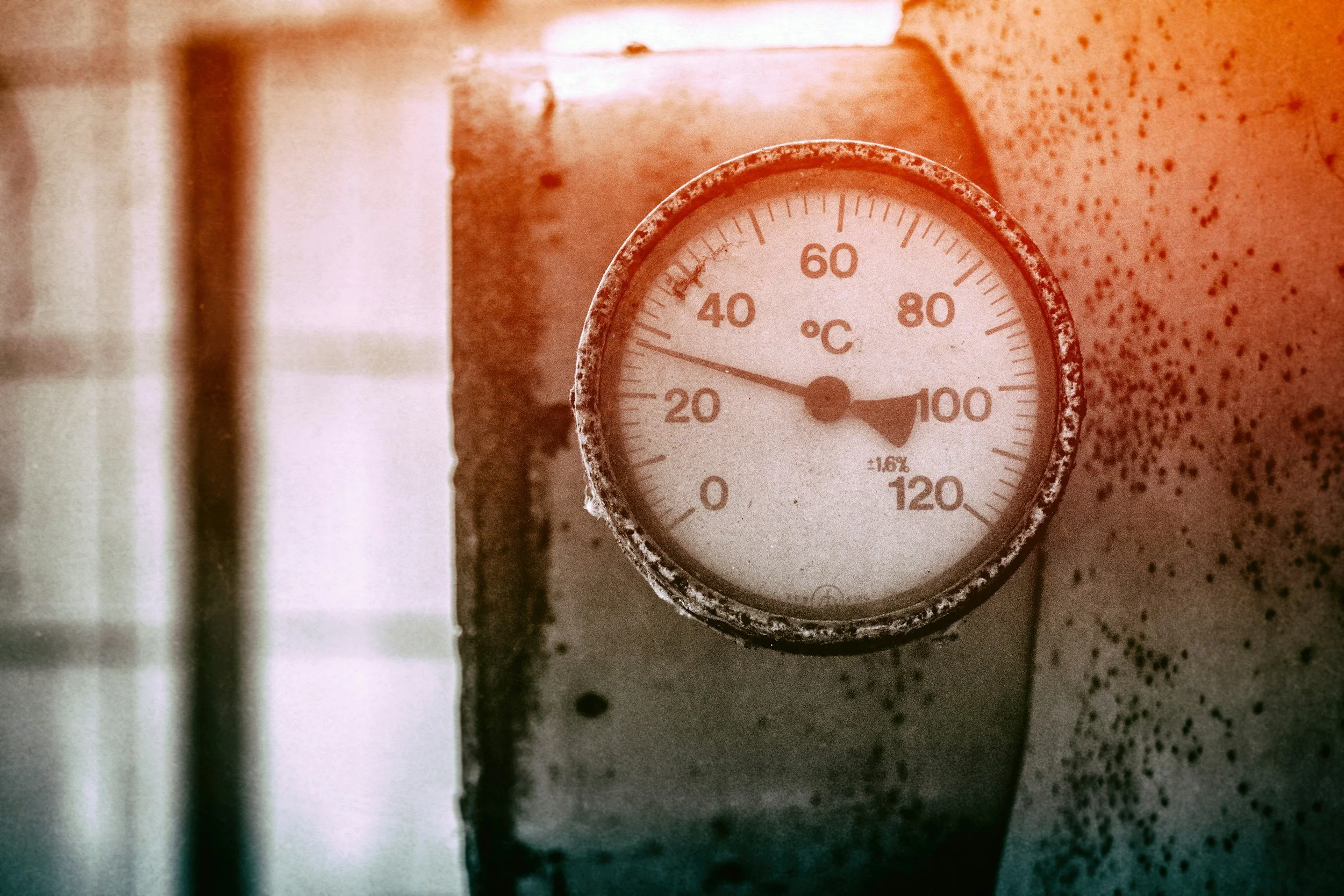
This summer I baked at night.
Not food. Although I did feel like a roast chicken turning on a spit, slowly cooking.
Temperatures are rising worldwide and even more in my bedroom. I live on the third floor (and heat rises, yay!), our air conditioner broke, and I am most certainly entering the delightful season of peri-menopause, where not only my brain feels fried, but my body does too.
So what did all of that do to my sleep?
It definitely made it harder to fall asleep, and my sleep felt more fragmented. And I know I’m not alone in this experience.
So why does temperature matter so much for sleep in the first place?
Your body needs to cool down for sleep
As you prepare for sleep, your core body temperature naturally begins to decline. One way the body accomplishes this is by increasing blood flow to the skin, hands and feet, allowing heat to move from the core to the body's surface and dissipate into the environment.
This is one reason temperature regulation is an important part of the transition into sleep.
But here's the important distinction: your body doesn't need to be cold—it needs to be able to lose excess heat.
When your bedroom, bedding or sleepwear traps too much heat, it can make that process more difficult. Research on heat exposure shows that warmer conditions can increase wakefulness and disrupt sleep continuity, and sufficiently high temperatures can affect sleep stages including REM and deep NREM sleep.
In other words, sleeping isn't just about turning off the lights and hoping for the best. Your body is doing some pretty sophisticated temperature management behind the scenes.
It’s not just about falling asleep
We often think of a "good night's sleep" as simply getting enough hours. But sleep quality and continuity matter too.
Throughout the night, we cycle repeatedly through NREM and REM sleep. Deep NREM sleep is particularly prominent earlier in the night, while REM periods generally become longer toward morning. Deep NREM sleep supports physical restoration, immune and metabolic health, and memory consolidation, while REM sleep plays an important role in learning, memory and emotional processing. All sleep stages are important and together, these stages support the brain and body’s recovery and functioning. Frequent or prolonged awakenings can interrupt this normal pattern and reduce the opportunity for consolidated sleep.
This is one reason overheating can be frustrating. You might technically spend eight hours in bed, but if you're repeatedly waking up to throw off the covers, flip the pillow, stick a leg out, or wonder why you suddenly feel like you're sleeping inside a toaster oven, your sleep may not be as continuous as you'd like.
Who might be particularly sensitive to heat?
Heat doesn't affect everyone in exactly the same way.
Women are more likely than men to experience insomnia, and hormonal changes throughout their lives can contribute to sleep difficulties. The transition through menopause can be especially disruptive - hot flashes and night sweats can cause nighttime awakenings and make temperature regulation particularly challenging for some women.
Age can matter too. As we get older, sleep naturally becomes lighter and more fragmented, while our ability to dissipate heat can also change. Research suggests older adults may sweat less and store more heat in warm environments. That means a warm bedroom may be more than just uncomfortable—it can potentially further interfere with sleep continuity.
So, should you sleep in an icebox?
Probably not.
While cooler temperatures are more advantageous for sleep than hotter ones, the goal is temperature regulation, not refrigeration.
A few simple things can help:
Keep your bedroom comfortably cool. The optimal temperature for sleep is between 15.5-20 degrees C but everyone has a different internal body temp to start with so experiment to find what feels comfortable for you.
Pay attention to your bedding. Sheets, blankets, mattress materials and sleepwear all contribute to the little microclimate around your body. Lightweight, breathable materials can help heat and moisture escape (eg. lightweight cotton, bamboo, silk, linen, lightweight wool).
Try a warm shower or bath. Counterintuitive, I know. Research suggests that warming the body about 1–2 hours before bedtime can promote heat loss afterward and help people fall asleep more easily.
Don't underestimate your extremities. If your feet are cold, warming them before bed may actually help promote heat transfer from the body's core to the skin.
Watch the evening caffeine and alcohol. Caffeine can increase alertness and may interfere with the body's normal nighttime temperature pattern, while alcohol can disrupt the circadian rhythm of core body temperature. And regardless of temperature, both can affect sleep for other reasons—so neither is a particularly reliable sleep aid!
And finally, remember that temperature is only one piece of the sleep puzzle. A hot night doesn't automatically equal a terrible night's sleep, and one night of fragmented sleep isn't something to panic about. Our sleep is influenced by everything from our circadian rhythms and stress levels to physical activity, light exposure, health and what is happening in our lives.
But if you're regularly waking up hot, kicking off the covers, flipping your pillow to the "cold side," or sleeping like a rotisserie chicken, it's worth paying attention.
Sometimes giving your body a little help with temperature regulation is one surprisingly simple way to create a more sleep-friendly environment.